Posted by David R. Miller
Estimated Reading Time 1 minute 49 seconds
Senior Health Tips: Preparing for Extreme Heat During Summer
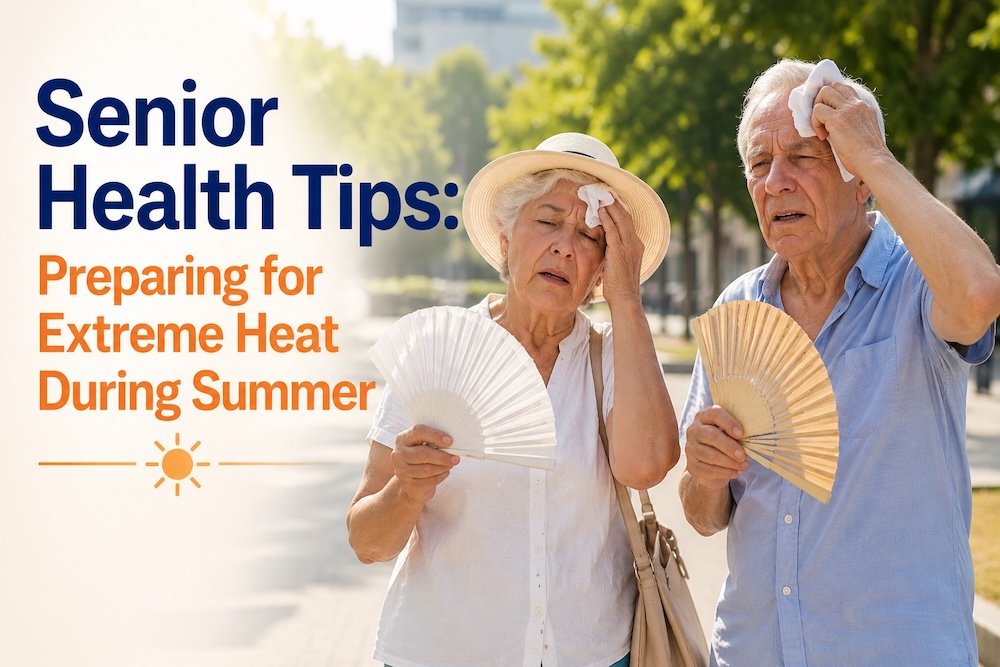
Europe has recently experienced one of the deadliest heat waves in its history. More than 1,300 excess deaths have been linked to extreme temperatures as record-breaking heat has overwhelmed communities, strained healthcare systems, and placed older adults and people with chronic medical conditions at the greatest risk.
It raises an important question: What if we experienced a similar heat wave here in the US?
It is certainly possible. We have seen our share of prolonged periods of dangerous heat, and climate experts continue to warn that extreme weather events are becoming more frequent and intense. Preparing now can make a significant difference, especially if you have a chronic health condition.
Older adults are naturally more vulnerable to heat because the body’s ability to regulate temperature decreases with age. Chronic conditions such as heart disease, diabetes, chronic obstructive pulmonary disease (COPD), kidney disease, and multiple sclerosis can make extreme heat even more dangerous. Certain medications, including diuretics, blood pressure medications, and some antidepressants, may also increase the risk of dehydration or interfere with the body’s ability to stay cool.
One of the most important steps you can take is to stay hydrated. Drink water regularly throughout the day, even if you do not feel thirsty. Limit alcohol and excessive caffeine, which can contribute to dehydration. If your physician has placed you on fluid restrictions because of a medical condition, follow their recommendations carefully.
Try to remain indoors during the hottest part of the day, typically between late morning and early evening. If your home does not have air conditioning, identify nearby cooling centers, libraries, shopping centers, or other air-conditioned public buildings where you can safely escape the heat. Wear lightweight, light-colored clothing, use fans when appropriate, and never leave children, pets, or older adults in a parked vehicle.
It is also wise to have a heat emergency plan. Keep extra water, medications, and medical supplies on hand. Ask a family member, friend, or neighbor to check on you during periods of extreme heat, especially if you live alone. Learn to recognize the warning signs of heat exhaustion and heat stroke, including dizziness, confusion, rapid pulse, nausea, and loss of consciousness. These symptoms require immediate medical attention.
If you have a chronic health condition, discuss your heat safety plan with your healthcare provider before temperatures begin to climb. They can review your medications, offer personalized recommendations, and help you prepare for hot weather.
A little planning today can help protect your health tomorrow. As temperatures continue to rise around the world, taking proactive steps now can help you stay safe, healthy, and ready for whatever summer brings.
David R. MillerAdvanced Seniors Insurance Health Plans
- To speak with a licensed agent, call 714-982-4941
(TTY 711 M-F, 9am-5pm)
- CA: 0I08294 | NV: 16816520 | OR: 16816520 | AZ: 16816520
Have You Watched Our Medicare Essentials Video Quick-Course?
This video tutorial covers the basic elements of Medicare in a format that is easy to understand and you can watch it from the comfort of home! It’s yours at no cost and no obligation, just tell us where we should send it!
Get Free Assistance
Friendly, licensed professionals are available to answer all of your questions at no cost to you. Call 714-982-4941 or complete the form below and we’d be happy to reach out to you.